
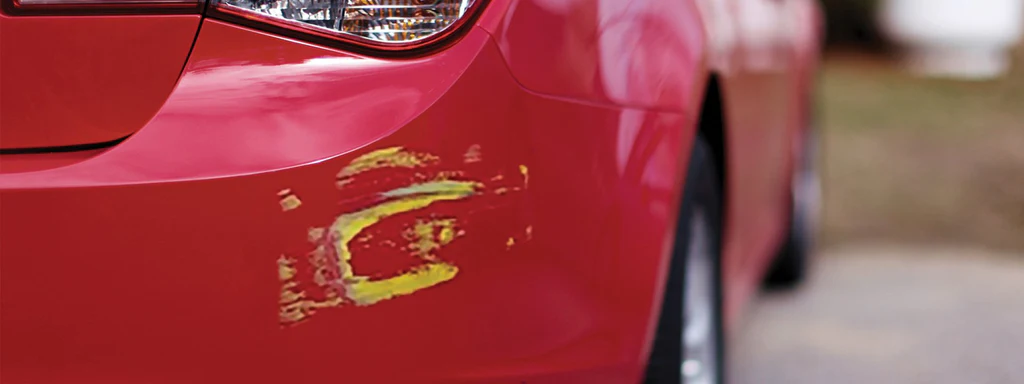
When two cars collide, they often leave behind a colorful clue: paint transfer. You’ve probably seen it before – streaks of another vehicle’s paint smeared across a bumper or door panel. But does paint transfer determine fault in an accident? This question confuses many drivers who find themselves dealing with insurance claims after a collision. Let me break down everything you need to know about paint transfer and how it affects determining who’s responsible for an accident.
Understanding Paint Transfer in Car Accidents
Paint transfer happens when two vehicles make contact during a collision. The force of impact causes paint from one car to scrape off and stick to the other vehicle’s surface. Think of it like a fingerprint left at the scene – it shows exactly where the vehicles touched.
This physical evidance can be incredibly valuable. Insurance adjusters and police officers often examine paint transfer patterns to reconstruct how an accident happened. The color, location, and direction of the paint streaks tell a story about the collision.
However, here’s the thing many people get wrong: paint transfer alone doesn’t automatically prove who caused the accident. It’s just one piece of the puzzle. While it shows that two vehicles made contact, it doesn’t necessarily explain why the contact occured or who violated traffic laws.
For more insights on legal and insurance matters, blogarcyart.co.uk offers helpful resources that explain complex topics in simple terms.
How Insurance Companies Use Paint Transfer Evidence
Insurance adjusters love physical evidence, and paint transfer gives them something concrete to work with. When you file a claim, the adjuster will typically photograph the damage and document any paint transfer present on your vehicle.
They use this information to verify your story about how the accident happened. If you claim another car sideswiped you from the left, but the paint transfer appears on your right side, that’s a problem. The physical evidence needs to match your account of events.
Adjusters also compare the paint transfer to the other driver’s vehicle. They’ll check if the color matches and if the damage patterns line up between both cars. This helps them confirm that your vehicle actually collided with the specific car you’re claiming hit you.
But insurance companies don’t stop at paint transfer. They gather witness statements, review police reports, check traffic camera footage when available, and consider the location and circumstances of the accident. Paint transfer is valuable, but it’s rarely the only factor in determining liability.
Does Paint Transfer Determine Fault Automatically?
The short answer is no. Does paint transfer determine fault by itself? Not quite. While paint evidence is helpfull, it doesn’t tell the complete story of who’s legally responsible for causing an accident.
Think about a scenario where someone rear-ends you at a red light. There’s clear paint transfer on your bumper from their car. In most cases, the driver who rear-ended you is at fault because they failed to maintain a safe distance. The paint transfer supports this conclusion, but the real reason they’re at fault is because they violated traffic laws.
Now consider a different situation. You’re changing lanes and don’t see a car in your blind spot. Your vehicles make contact, leaving paint transfer on both cars. The paint transfer shows the collision happened, but determining fault requires looking at who had the right of way, whether you signaled, and if the other driver was speeding.
The legal concept of fault depends on proving negligence – showing that someone failed to drive safely and caused the accident. Paint transfer can support your case, but you still need to demonstrate that the other driver was negligent.
Key Factors That Actually Determine Fault
Multiple elements come together to establish who’s responsible for an accident. Understanding these factors helps you see where paint transfer fits into the bigger picture.
Traffic law violations are huge in fault determination. If someone ran a red light, failed to yield, or broke the speed limit, they’re likely going to be found at fault regardless of paint transfer patterns. The violation itself proves negligence.
Right of way rules matter immensely. The driver who had the legal right to proceed usually isn’t at fault when someone else violates that right. Paint transfer might show the collision occured, but right of way rules explain why it happened.
Driver statements and witness testimony provide context that paint can’t. Did someone admit to being distracted? Did a witness see one driver texting? These human accounts often carry more weight than physical evidence alone.
Police reports document the officer’s assessment of the scene. While not the final word on fault, these reports influence insurance decisions significantly. Officers note paint transfer in their reports, but they also record everything else they observe.
Common Misconceptions About Paint Transfer Evidence
Many drivers believe myths about paint transfer that can hurt their insurance claims. Let’s clear up some confusion.
One common myth is that having paint transfer from another car on your vehicle automatically means you’re not at fault. This isn’t true. You could have paint on your car and still be responsible if you caused the collision through negligent driving.
Another misconception is that lack of paint transfer means no collision occured. Cars can hit eachother without leaving paint, especially if both vehicles are the same color or if the impact was relatively minor. Some accidents involve damage without visible paint transfer.
Some people think paint transfer always indicates a sideswipe accident. While it’s common in sideswipes, paint transfer can happen in any type of collision where vehicles scrape against each other, including rear-end accidents, intersection crashes, and parking lot incidents.
The Role of Paint Transfer in Different Accident Scenarios
Different types of accidents involve paint transfer in unique ways. Understanding these patterns helps clarify how does paint transfer determine fault in various situations.
Rear-end collisions typically leave paint on the rear bumper of the front car and the front bumper of the following car. The rear driver is usually at fault, but the paint transfer confirms which cars were involved and where they made contact.
Sideswipe accidents create horizontal paint streaks along the side of one or both vehicles. These accidents often happen during lane changes or when someone drifts out of their lane. Paint transfer shows the collision path, but fault depends on who was changing lanes improperly or who crossed the center line.
Intersection accidents can be complicated. Paint transfer might appear on various parts of the vehicles depending on the angle of impact. Determining fault requires understanding who had the green light or stop sign, making paint transfer less important than traffic signals.
Parking lot accidents frequently involve paint transfer on bumpers or doors. These cases can be particularly tricky because parking lots have different rules than public roads. Paint transfer helps identify the vehicles involved, but surveillance footage often proves more valuable.
How to Document Paint Transfer After an Accident
Proper documentation of paint transfer strengthens your insurance claim dramatically. Here’s what you should do immediately after an accident.
Take multiple photographs of all damage to your vehicle. Get close-up shots of any paint transfer, showing the color clearly. Take wide shots that show where on your car the damage occured. Photograph the other vehicle’s damage too, if possible.
Don’t wash your car before the insurance adjuster sees it. That paint transfer is evidence, and cleaning it off destroys important information. Insurance companies get suspicious when vehicles are cleaned before inspection.
Write down your observations about the paint transfer while everything’s fresh in your mind. Note the color, location, and approximate size of the paint marks. This written record supports your photographs.
If police respond to the accident, make sure the officer documents the paint transfer in their report. Ask if they’re photographing the evidence. Police reports with physical evidence documentation carry significant weight with insurance companies.
Working With Insurance Adjusters on Paint Transfer Claims
Insurance adjusters examine paint transfer carefully, but they’re looking at the whole accident, not just the paint. Knowing how they think helps you present your claim effectively.
Be honest and consistent in your statement about how the accident happened. If your story changes, adjusters get skeptical even when paint transfer supports your original account. Stick to the facts and let the evidence speak.
Point out the paint transfer during the vehicle inspection. Don’t assume the adjuster will notice it. Show them exactly where it is and explain how it supports your version of events.
Expect the adjuster to ask questions about the paint transfer. They might want to know if you’re certain the paint came from this specific accident or if it could be from a previous incident. Old damage can complicate claims, so be upfront about any pre-existing marks.
If the other driver disputes your account, paint transfer becomes even more important. The adjuster will compare the physical evidence to both drivers’ statements and make a determination based on what’s most consistent with the evidence.
When Paint Transfer Contradicts Other Evidence
Sometimes paint transfer evidence doesn’t match up with what drivers claim happened. These contradictions create problems for insurance claims.
If you say you were hit from behind but paint transfer appears on your side panels, the adjuster will question your account. Physical evidence that doesn’t match your story damages your credibility. You’ll need to explain the discrepancy convincingly.
In some cases, drivers genuinely misremember how an accident happened because of shock and adrenaline. If paint transfer shows the collision occured differently than you initially described, it’s better to acknowledge you might have been mistaken than to insist the physical evidence is wrong.
Contradictory evidence can also indicate fraud. Insurance companies investigate claims where the damage patterns don’t make sense. If paint transfer suggests the accident couldn’t have happened the way you described, you could face serious consequences including claim denial and fraud charges.
Additional Evidence That Supports Paint Transfer Analysis
Paint transfer works best when combined with other types of evidence. Building a strong case means gathering multiple forms of proof.
Photographs from the scene capture the position of vehicles after the accident. These images help explain how the collision occured and support what paint transfer patterns indicate.
Security or dashcam footage provides irrefutable evidence of what happened. If you have video showing the accident, it’s worth far more than paint transfer alone. Consider installing a dashcam if you don’t have one.
Witness contact information gives your insurance company people to interview who saw the accident. Independent witnesses who have no stake in the outcome carry tremendous weight with adjusters.
Vehicle computer data from modern cars records information about speed, braking, and steering before an accident. This technical data combined with paint transfer creates a comprehensive picture of the collision.
Legal Implications of Paint Transfer Evidence in Court
If your accident case ends up in court, paint transfer evidence becomes part of the legal record. Understanding how courts view this evidence helps you appreciate its limitations.
Attorneys use paint transfer to support their arguments about how an accident happened. They might bring in accident reconstruction experts who analyze paint transfer patterns to testify about the collision dynamics.
However, judges and juries understand that does paint transfer determine fault isn’t a simple yes or no question. They consider paint transfer alongside all other evidence presented during the trial.
Defense attorneys might challenge paint transfer evidence by suggesting it came from a different accident or questioning the chain of custody for the evidence. Proper documentation and professional analysis strengthen the evidence against these challenges.
In small claims court for minor accidents, paint transfer photographs can make or break your case. Judges appreciate clear physical evidence that supports your testimony about the accident.
Key Takeaways About Paint Transfer and Fault
Understanding paint transfer helps you navigate the insurance claim process more effectively. Here’s what you need to remember:
- Paint transfer shows that two vehicles made contact but doesn’t automatically prove who’s at fault
- Insurance companies use paint transfer as one piece of evidence among many factors
- Proper documentation of paint transfer strengthens your claim significantly
- Traffic law violations and right of way rules matter more than paint transfer in determining fault
- Paint transfer patterns should match your account of how the accident occured
- Multiple types of evidence work together to establish liability
Physical evidence like paint transfer provides objective information, but legal fault depends on proving negligence under traffic laws. The driver who violated traffic rules or drove recklessly typically bears responsibility regardless of paint transfer patterns.
Comparison Table: Paint Transfer vs. Other Evidence Types
| Evidence Type | Reliability | Insurance Weight | Court Value | Ease of Collection |
|---|---|---|---|---|
| Paint Transfer | Medium-High | Medium | Medium | Easy |
| Police Report | High | Very High | High | Automatic |
| Witness Testimony | Variable | High | High | Medium |
| Video Footage | Very High | Very High | Very High | Depends on location |
| Vehicle Data | Very High | High | Very High | Requires expertise |
| Driver Statements | Low-Medium | Medium | Low-Medium | Easy |
This table shows that while paint transfer is valuable, other evidence types often carry equal or greater weight in determining fault. Video footage and police reports generally prove more persuasive than paint transfer alone.
Frequently Asked Questions
Can paint transfer be faked or planted?
While technically possible, faking paint transfer is difficult and illegal. Insurance fraud investigators can usually detect staged accidents through inconsistencies in damage patterns and evidence. Don’t ever consider faking evidence as it’s a serious crime.
How long does paint transfer last on a vehicle?
Paint transfer can last indefinitely if not cleaned off. However, weather exposure and regular washing gradually remove paint marks. This is why documenting paint transfer immediately after an accident is so important.
What if both cars are the same color?
Same-color vehicles can still show paint transfer through close examination. Different shades, metallic flakes, or clear coat damage reveal that transfer occured. Professional analysis can detect even subtle paint transfer between similar vehicles.
Does paint transfer matter for no-fault insurance states?
In no-fault states, your own insurance covers your damages regardless of who caused the accident. Paint transfer matters less for immediate claim payment but still affects injury claims and cases that exceed no-fault thresholds.
Can I remove paint transfer before the adjuster sees it?
You shouldn’t remove paint transfer before your insurance company inspects your vehicle. Cleaning away evidence can hurt your claim. Wait until after the inspection to restore your car’s appearance.
What if there’s no paint transfer but obvious damage?
Many accidents cause damage without paint transfer, especially when vehicles have similar colors or the impact doesn’t involve scraping. Lack of paint transfer doesn’t mean no collision occured. Other evidence proves the accident happened.
Conclusion
So, does paint transfer determine fault in car accidents? The answer is more nuanced than a simple yes or no. Paint transfer serves as valuable physical evidence that shows where and how vehicles made contact during a collision. It helps insurance adjusters and legal professionals understand the mechanics of an accident.
However, paint transfer alone doesn’t determine legal fault. Establishing liability requires examining traffic law violations, right of way rules, driver negligence, and the totality of circumstances surrounding the accident. Paint transfer supports these determinations but rarely stands alone as proof of fault.
When you’re involved in an accident, document paint transfer carefully through photographs and written notes. Let insurance adjusters examine the evidence before cleaning your vehicle. Combine paint transfer documentation with other evidence like police reports, witness statements, and video footage to build the strongest possible case.
Remember that physical evidence like paint transfer provides objective information, but human factors like distraction, speeding, and traffic violations ultimately determine who’s responsible for causing an accident. Understanding this distinction helps you navigate insurance claims and potential legal proceedings more effectively.
If you ever find yourself dealing with accident claims and need clear information on complex topics, resources like blogarcyart.co.uk can help you understand your situation better. The most important thing is to stay calm, document everything thoroughly, and let the evidence tell the story of what really happened.