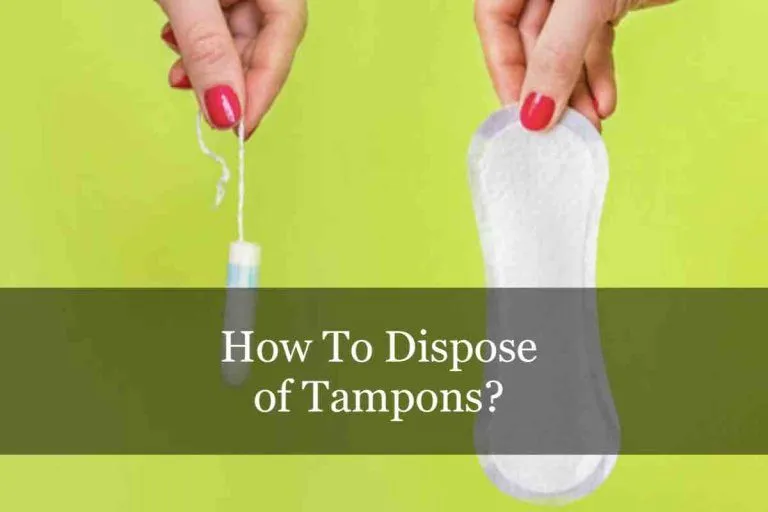
Getting your period is natural, but knowing how to properly dispose of tampons can be confusing. Many people wonder whether tampons can be flushed, thrown in the trash, or disposed of in other ways. This guide will walk you through everything you need to know about tampon disposal, why it matters, and how to do it correctly.
What Is Proper Tampon Disposal?
Proper tampon disposal means getting rid of used tampons in a way that doesn’t harm plumbing systems, the environment, or public health. The most important rule is simple: never flush tampons down the toilet. Used tampons should always go in the trash, wrapped in toilet paper or the wrapper from your new tampon.
Think of tampons like paper towels. Just because they’re small doesn’t mean they break down in water. Tampons are designed to absorb and expand, which makes them terrible for plumbing systems.
Why You Should Never Flush Tampons
The biggest mistake people make is flushing tampons. Here’s why this causes so many problems.
They Don’t Break Down
Toilet paper is specifically designed to dissolve in water within seconds. Tampons are designed to do the exact opposite. They’re made to stay intact and absorb liquid, which means they can last for months or even years in water without breaking down.
Plumbing Nightmares
Flushed tampons can get stuck in your pipes, creating blockages that require expensive plumber visits. They can also cause problems further down the line in your building’s plumbing system or even in city sewer systems.
Environmental Damage
When tampons make it past plumbing systems, they often end up in rivers, lakes, and oceans. Beach cleanups regularly find tampons and applicators washed up on shore. These items can harm marine life and contribute to plastic pollution since many tampons contain plastic fibers.
Expensive Repairs
Plumbing repairs from flushed tampons can cost hundreds or even thousands of dollars. If you’re renting, you might be responsible for the repair costs if the blockage is traced back to your unit.
How to Dispose of Tampons Correctly
The right way to dispose of tampons is straightforward once you know the steps.
Step by Step Process
- Remove the used tampon
- Wrap it in toilet paper or the wrapper from your new tampon
- Place it in the trash bin
- Wash your hands thoroughly
That’s it. No special containers needed, no complicated procedures.
Using Disposal Bags
If you want extra discretion, small disposal bags are available at most drugstores. These opaque bags are designed specifically for menstrual products and can make disposal more discreet, especially in shared bathrooms.
Public Restroom Disposal
Most public restrooms have small trash bins or disposal units mounted on the wall in each stall. These are specifically designed for menstrual products. Simply wrap your tampon and place it in the bin provided.
If there’s no bin in the stall, wrap the tampon well and carry it to the main trash can in the restroom. While this might feel awkward, it’s the right thing to do.
Who Needs to Know About Proper Disposal
Everyone who uses tampons should understand proper disposal methods, but education is especially important for certain groups.
Young People Starting Their Periods
Many people learn incorrect disposal methods from friends or assumptions. Schools should teach proper disposal as part of health education, but this doesn’t always happen.
People in Shared Living Spaces
Roommates, dormitories, and shared housing situations can lead to plumbing problems that affect everyone. One person flushing tampons can cause issues for the entire building.
Travelers and Guests
Different countries may have different plumbing systems, but the rule remains the same everywhere: don’t flush tampons. Some older plumbing systems are even more sensitive to blockages.
Tips for Discreet Disposal
Many people worry about the smell or visibility of disposed tampons. Here are practical tips to handle disposal discreetly.
At Home
- Empty your bathroom trash can every day or two during your period
- Use a trash can with a lid to contain odors
- Place a small amount of baking soda in the bottom of the trash can to absorb smells
- Line your trash can with a bag so you can easily remove everything
At Work or School
- Keep a few small disposal bags in your purse or backpack
- Wrap tampons thoroughly in toilet paper
- Use the disposal bins provided in restroom stalls
- If you’re worried about smell in your personal trash can, take it to a larger dumpster more frequently
When Visiting Someone’s Home
- Ask your host where to dispose of menstrual products if you’re unsure
- Bring your own small disposal bags if needed
- Never flush tampons in someone else’s home
For more lifestyle tips and practical advice, check out blogarcyart.co.uk.
Environmental Alternatives
If you’re concerned about the environmental impact of disposable tampons, several alternatives exist.
Reusable Options
Menstrual cups and period underwear can be washed and reused for years. While they require an initial investment, they reduce waste significantly and save money over time.
Organic Tampons
Organic cotton tampons without plastic components break down faster than conventional tampons. However, they still shouldn’t be flushed because they can cause blockages before they have time to decompose.
Biodegradable Products
Some companies make biodegradable tampons and applicators. These are better for the environment when they end up in landfills, but again, they should never be flushed.
Common Myths About Tampon Disposal
Several myths about tampon disposal continue to spread. Let’s clear them up.
Myth: Tampons Are Flushable
Some tampon brands used to be marketed as flushable. This was misleading. Modern plumbing experts and environmental organizations agree that no tampons should be flushed, regardless of what the packaging says.
Myth: One Tampon Won’t Hurt
Even a single tampon can cause a blockage, especially in older plumbing systems. The problem compounds when multiple people in a building flush tampons regularly.
Myth: Tampons Will Dissolve Eventually
While tampons may eventually break down after months or years, they cause damage long before that happens. They can create blockages, harm wildlife, and contribute to pollution during that time.
Benefits of Proper Disposal
Following correct disposal methods benefits everyone.
Personal Benefits
- Avoid expensive plumbing bills
- No embarrassing conversations with landlords or plumbers
- Peace of mind knowing you’re not causing problems
Community Benefits
- Better functioning public plumbing systems
- Lower maintenance costs for buildings and cities
- Cleaner public restrooms
Environmental Benefits
- Less pollution in waterways
- Reduced harm to marine life
- Lower burden on wastewater treatment facilities
Risks of Improper Disposal
Understanding the consequences can motivate better habits.
Immediate Risks
Clogged toilets and backed up plumbing can happen within hours of flushing tampons, especially if multiple people in a household or building are doing it.
Long Term Risks
Repeated flushing can damage pipes, requiring complete replacement of plumbing systems. This can cost thousands of dollars and cause major disruptions.
Health Risks
Sewage backups from clogged pipes can create unsanitary conditions and expose people to harmful bacteria.
Teaching Others About Proper Disposal
If you notice friends or family members flushing tampons, have a kind conversation about why this causes problems. Many people simply don’t know the correct method.
Share information without being judgmental. Most people are happy to learn the right way once they understand the reasons behind it.
Final Thoughts
Proper disposal of tampons is simple: wrap them and throw them in the trash. Never flush them down the toilet, no matter how convenient it might seem in the moment. This small habit protects plumbing systems, saves money, and helps the environment.
The slight inconvenience of trash disposal is nothing compared to dealing with clogged pipes or contributing to environmental pollution. By following these guidelines, you’re making a responsible choice that benefits everyone.
Remember to share this information with others, especially young people who are just learning about period care. Good habits start with good education. Visit blogarcyart.co.uk for more practical guides on everyday topics.